Syntopia generates AI-ready human 3D biology to predict how complex therapies behave in human tissues.
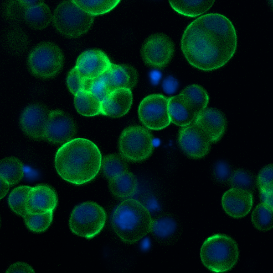
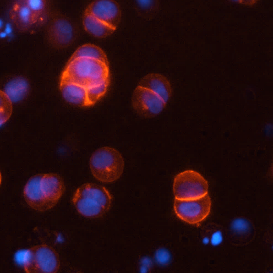
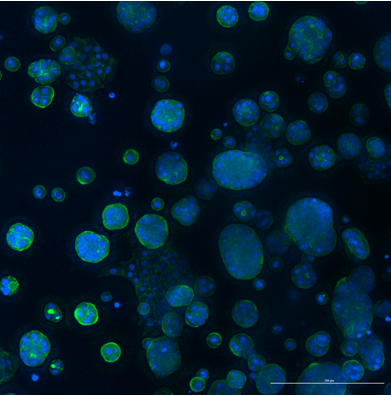
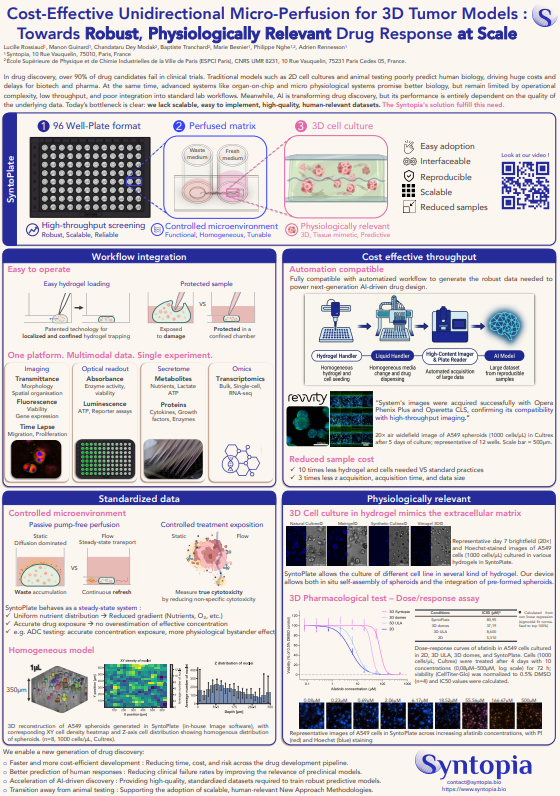
Antibody-Drug Conjugates (ADCs) are designed to deliver highly potent drugs to tumor cells, and recent approvals have brought them new momentum. Yet in solid tumors, many cancer cells remain out of reach: ADCs can struggle to penetrate tumors evenly. Because current preclinical models often fail to capture the complexity of human tumors, predicting which ADC designs will reach and affect their targets remains a major challenge.
Syntopia combines biophysical simulation, proprietary human 3D data and AI to predict how targeted therapies penetrate tumors and shape their response. These spatial effects are a key part of a drug’s pharmacodynamics, and can determine its efficacy, yet remain largely unaddressed in drug design.

Human 3D biology
Perfused human 3D cultures in an ECM-mimicking hydrogel, capturing key features of tumor biology: spatial organization, interstitial-like flow, sustained viability and treatment response, in a controlled and reproducible environment.
Scalable data generation
Well-plate format compatible with standard laboratory workflows and automation, enabling high-throughput generation of spatial and temporal readouts from small sample volume.
AI-models for biological insights
Aligned, information-rich datasets designed to train predictive models of drug effect at the tissue level, supporting the assessment of efficacy, mechanism of action and candidate prioritization.
Syntopia accelerates the development of safer and more effective ADC therapies for patients by delivering predictive biological insights to pharmaceutical companies.













Join us at the Breakthrough Zone (Booth BZ#23), discover our poster and catch our flash presentation in London !
Join us in Vienna to visit our booth, try injecting into our plate, and discover our poster !
French innovation hub that connects academia, hospitals, startups, and industry to accelerate cancer research and therapeutic development


France’s national deep-tech innovation contest supporting early-stage startups with funding and visibility.
€150k EU funding to validate the commercial and societal potential of our research results.